What a Home Inspection Really Tells You
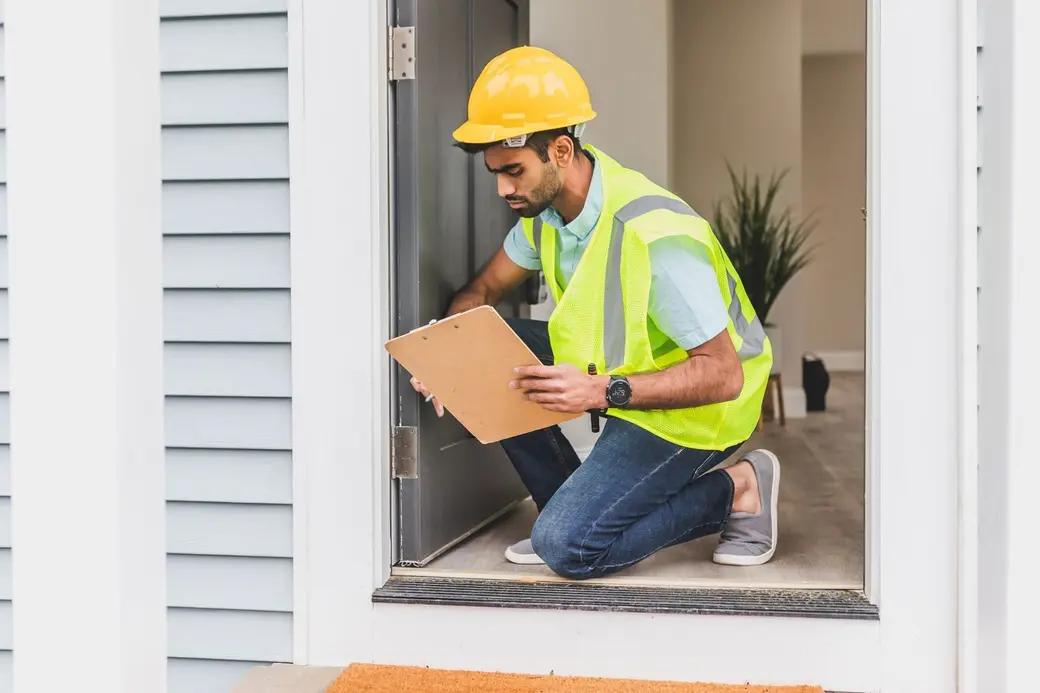
A home inspection is one of the few points in a real estate transaction where someone is paid to look closely at the house and tell you the truth about it. It is also one of the most misunderstood documents in the process. Here is what it is, what it is not, and how to use it well.
It is a snapshot, not a warranty
An inspector reports on the condition of the home on the day it was inspected, using what is visible and accessible. It is not a warranty of future performance, not an appraisal of value, and not a code-compliance inspection. A home can pass a thorough inspection and still have a water heater fail next spring. That is normal, and it is why maintenance planning matters more than any single report.
The systems that carry the most weight
Most of the expensive surprises live in a small number of places: the roof and the drainage around it, the foundation and structure, the electrical system, the plumbing, the heating and cooling equipment, and any sign of water intrusion. Pay particular attention to those sections, and to anything the inspector flags as a safety concern or as actively leaking. Those are the items that deserve contractor estimates before you decide what to ask for.
Older Denver-area homes
Homes built in the 1950s through the 1970s are a large part of the metro's housing stock, and they come with their own vocabulary: aluminum branch wiring, galvanized supply lines, older electrical panels that may be undersized for modern loads, cast iron sewer lines that may be nearing the end of their life, unpermitted additions or remodels, and older materials that may contain asbestos. None of these makes a home unlivable, and many have already been updated. The point is to know which ones are present, and to price the ones that are not.
Items worth adding on
A general inspection does not cover everything. Radon testing is a routine addition on many Colorado transactions and is worth asking about. Sewer scope inspections are common on older homes with mature landscaping, where roots find their way into lines. On the Front Range, grading and drainage are worth a close look, particularly on sloped lots and where downspouts discharge close to the foundation.
How to read the report without panicking
Long reports are normal. A good report describes the home as it is, and it will have dozens of maintenance notes that are not urgent. Sort them into three buckets: safety issues, structural or water issues, and ordinary maintenance. Address the first two before closing, and treat the third as a to-do list for the first year of ownership. If something is unclear, call the inspector and ask. Most will walk you through it happily.
Where experience helps
With more than twenty years in home and building inspections, I read condition reports differently than most: not as a list of defects, but as a picture of how a house has been built, maintained, and cared for. That picture is usually what tells you whether a home is the right one for you.
Categories
Recent Posts