A First-Time Buyer's Roadmap for the Denver Metro

Buying your first home in the Denver metro is a sequence, not a single decision. Most of the stress first-time buyers feel comes from doing the steps out of order, or from not knowing what the next step actually is. Here is the order that tends to work.
1. Get your financing in order before you tour anything
Talk with a lender first. You want to know what you qualify for, what a monthly payment actually includes beyond principal and interest (property taxes, insurance, mortgage insurance, and any HOA dues), roughly how much cash you will need at closing, and whether you qualify for any first-time buyer or down payment assistance programs. A pre-approval letter also tells a seller you are a serious buyer rather than a browser.
2. Decide what matters, and in what order
Write two lists: what you must have, and what would be nice. Commute time, school boundaries, lot size, garage, number of bedrooms, age of the home, how much updating you are willing to take on. Be honest about what you can live without, because almost every buyer eventually trades something on the nice-to-have list for something on the must-have list.
3. Understand what you are actually buying
The Denver metro covers a wide range of housing stock, from mid-century ranch homes and 1970s two-stories to brand-new builds. Different eras carry different maintenance realities. Older homes may have older wiring, plumbing, or sewer lines. Newer homes may still have builder warranties in place. Neither is a problem by itself, as long as you know what you are taking on before you write an offer.
4. Tour with a purpose
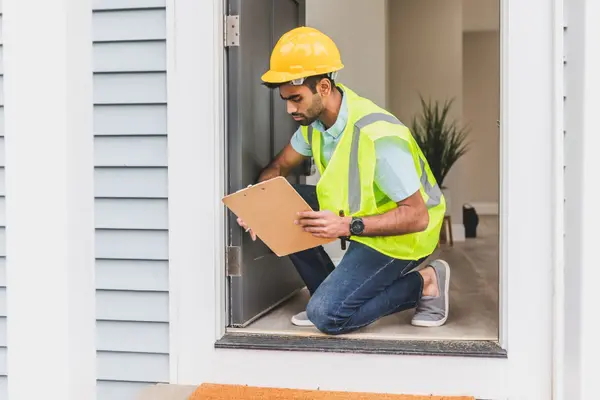
Look past furniture, paint colors, and staging. In each home, check the age and condition of the roof, furnace, water heater, and electrical panel. Look at the foundation and the grading around the house. Open the windows. Turn on the water. These are the things that cost real money after closing, and they are the things sellers rarely volunteer.
5. Make an offer you understand
An offer is more than a number. It is a price, an inspection period, financing terms, and a closing date. Ask your agent to walk you through each part before you sign, and to explain what happens if the appraisal comes in differently than expected.
6. Inspection, appraisal, and renegotiation
Attend the inspection if you possibly can. The report is information, not a verdict: it tells you what is working, what is worn, and what needs attention soon. From there you and your agent decide what, if anything, to ask the seller to address.
7. Closing and the first year
Your final walkthrough happens shortly before closing, and it is your chance to confirm the home is in the condition you agreed to. After closing, budget for the first year of ownership deliberately: a small maintenance fund set aside monthly will cover most of what a house throws at you, and it is far easier than absorbing a surprise repair all at once.
None of these steps is complicated on its own. The value of working with someone who knows construction and property condition is knowing which step a home is actually asking you to slow down on.
Categories
Recent Posts