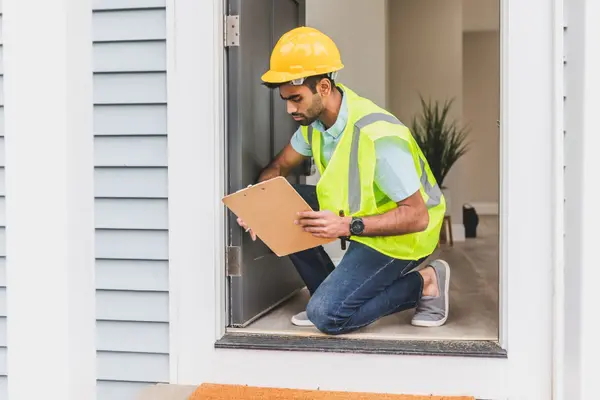
Handyman vs. Contractor: When to Hire Each for Home Repairs

Handyman vs. Contractor: When Should You Hire Each for Home Repairs?
Every homeowner eventually faces a repair or improvement project. Whether it's fixing a damaged wall, replacing a light fixture, repairing a deck, or remodeling a bathroom, choosing the right professional can make a significant difference in cost, workmanship, safety, and long-term property value.
For homeowners throughout Arvada, Westminster, Broomfield, Golden, and the Denver metro area, understanding the difference between a handyman and a licensed contractor can help prevent costly mistakes.
What Is a Handyman?
A handyman typically specializes in smaller maintenance tasks, minor repairs, and general home improvements that do not require specialized trade licensing or building permits.
Common handyman projects may include:
-
Repairing small drywall holes and touching up paint.
-
Installing shelving, curtain rods, and basic hardware.
-
Repairing cabinet doors and replacing handles.
-
Replacing weatherstripping and adjusting interior doors.
-
Completing minor trim and finish carpentry.
-
Performing routine property maintenance.
For straightforward repairs, a qualified handyman can often provide an economical and efficient solution.
However, the term "handyman" does not automatically establish what work someone is legally authorized or qualified to perform. The scope of permissible work depends on local requirements and the nature of the project.
When Should You Hire a Licensed Contractor?
Larger projects, structural alterations, and work involving specialized building systems generally require appropriately licensed professionals.
Examples include:
-
Kitchen and bathroom renovations involving plumbing, electrical, or structural changes.
-
Structural modifications, including removing load-bearing walls.
-
Major deck construction or reconstruction.
-
Roof replacements.
-
Electrical panel upgrades and new electrical circuits.
-
Furnace, air conditioner, and water heater installations.
-
Basement finishing projects requiring permits and inspections.
A general contractor may coordinate multiple trades, oversee scheduling, manage subcontractors, and help ensure the project complies with applicable building codes.
For electrical and plumbing work, homeowners should verify that the individuals and businesses performing the work hold the appropriate Colorado credentials and any required local registrations.
Why Permits and Licensing Matter in Colorado
One of the most important distinctions between a minor repair and a larger improvement is whether the work requires a building permit.
Colorado does not have one statewide general contractor license covering all residential construction. General contractor licensing requirements are largely established by local jurisdictions, while electricians and plumbers are subject to state licensing requirements.
For example, the City of Arvada requires contractor licensing for many types of building work and permits for projects such as basement finishes, structural alterations, and certain mechanical system replacements.
Requirements can differ between Arvada, Denver, Westminster, Broomfield, and other communities. Before starting a project, homeowners should contact the appropriate local building department to determine which permits, inspections, and licenses apply.
The Risks of Hiring the Wrong Professional
Hiring someone who lacks the appropriate qualifications can create problems that extend well beyond the original repair.
Potential consequences include:
Safety concerns: Improper electrical, plumbing, structural, or mechanical work can create hazards for occupants.
Additional repair expenses: Poor workmanship may require corrective work that costs more than the original project.
Permit complications: Unpermitted improvements may need additional inspections, modifications, or corrective work.
Insurance concerns: Improper or unpermitted work may create coverage questions depending on the policy and circumstances.
Real estate transaction issues: Undocumented renovations or questionable workmanship can raise concerns during a home inspection, appraisal, or buyer's due diligence.
A project that initially appears inexpensive can become costly if it must be corrected before a property can be sold.
Five Questions to Ask Before Hiring Someone
Regardless of whether you're hiring a handyman or contractor, consider asking these questions:
1. Are you qualified and appropriately licensed for this specific work?
Verify credentials through the applicable state or local licensing authority.
2. Do you carry liability insurance?
Request evidence of insurance and ask about workers' compensation coverage when applicable.
3. Will this project require a permit?
Determine who will obtain the permit and coordinate any required inspections.
4. Can you provide a written estimate and scope of work?
A written agreement should identify the work being performed, materials, payment terms, and anticipated schedule.
5. Can you provide references for similar projects?
Experience with comparable work can be more valuable than simply choosing the lowest bid.
What Home Inspectors Often Discover
After more than 20 years of inspecting homes, I've seen how repairs and renovations can affect a property's overall condition.
Cosmetic improvements may look attractive, but the quality of the work behind finished surfaces is equally important. Improperly installed plumbing, unsafe electrical modifications, inadequate structural support, and poorly executed exterior repairs can create problems that aren't immediately apparent.
Homeowners should consider not only how a repair looks when completed, but also whether it was performed correctly and documented when required.
Protecting Your Home and Your Investment
Choosing between a handyman and a contractor isn't simply about project cost. It's about matching the work with the appropriate experience, qualifications, and legal requirements.
A reliable handyman can be an excellent resource for routine maintenance. For complex projects, permitted improvements, and specialized trades, hiring appropriately licensed professionals is generally the better approach.
If you're preparing to sell your home, addressing maintenance concerns and documenting completed improvements can help buyers better understand the property's condition.
I'm Scott Spindler, REALTOR® | SRES® with HomeSmart Realty. With more than 20 years of home inspection experience, I bring practical property knowledge to helping Denver metro homeowners make informed real estate decisions.
Scott Spindler, REALTOR® | SRES®
HomeSmart Realty | Homes With Insight
303-229-8289
scott@teamspindler.com
www.homeswithinsight.com
Categories
Recent Posts